Best Silk PLA Filament: Top Picks for Metallic Finishes

Affiliate disclosure: Some links on this page are affiliate links. If you buy through them we earn a small commission at no extra cost to you. Recommendations are research-driven; we don't claim personal use of every product reviewed. Product prices and availability are accurate as of the date published and are subject to change. Always check Amazon for current pricing before purchasing. Learn more.
Quick Picks
AMOLEN Silk PLA 3D Printer Filament Bundle, Shiny Dual Color Filament 1.75mm Pack, Multi Color Change 3D Printing
Silk finish provides shiny, professional appearance compared to matte filaments
Buy on AmazonERYONE Silk PLA Filament for 3D Printer 1.75mm +/- 0.03mm, Shiny Filament 1kg (2.1lbs)/Spool, Liquid Gold
Silk finish provides visually appealing shiny appearance compared to matte filaments
Buy on AmazonMIKA3D 16 Colors Silk Shiny PLA Filament Sample Pack, Each Color 4 Meter Length, Total 64m Silk Shiny PLA 3D Printer 3D
16 colors included enables diverse project color options
Buy on Amazon| Product | Price Range | Top Strength | Key Weakness | Buy |
|---|---|---|---|---|
| AMOLEN Silk PLA 3D Printer Filament Bundle, Shiny Dual Color Filament 1.75mm Pack, Multi Color Change 3D Printing best overall | $$ | Silk finish provides shiny, professional appearance compared to matte filaments | PLA filament requires lower temperature control than some alternatives | Buy on Amazon |
| ERYONE Silk PLA Filament for 3D Printer 1.75mm +/- 0.03mm, Shiny Filament 1kg (2.1lbs)/Spool, Liquid Gold also consider | $$ | Silk finish provides visually appealing shiny appearance compared to matte filaments | PLA material has lower heat resistance than ABS or nylon alternatives | Buy on Amazon |
| MIKA3D 16 Colors Silk Shiny PLA Filament Sample Pack, Each Color 4 Meter Length, Total 64m Silk Shiny PLA 3D Printer 3D also consider | $$ | 16 colors included enables diverse project color options | Sample pack format limits total material for large projects | Buy on Amazon |
| SUNLU Silk PLA+ Filament 1.75mm, Chrome Like Gloss Finish, Smooth Silk Texture, Upgraded Formula for Stable Printing, also consider | $$ | Upgraded formula promises stable printing performance | Specialty silk filament typically costs more than standard PLA | Buy on Amazon |
| LANDU Silk Tri-Color PLA Filament 1.75mm 1Kg, Triple Color Silk PLA Filament, Silk Rainbow PLA Filament, Neatly Wound also consider | $$ | Tri-color silk finish provides visually appealing prints | Unknown brand may lack established warranty or support | Buy on Amazon |
| 25 Colors Silk Shiny PLA Filament Sample Pack, Each Color 4 Meter Length, Total 100m 3D Printer 3D Pen Material Refill, also consider | $$ | 25 different colors enables diverse multi-color 3D printing projects | 4 meters per color is minimal for substantial printing projects | Buy on Amazon |
Silk PLA sits at an odd intersection: it prints almost exactly like standard PLA, but the finished surface looks like it was cast from metal. That gap between print difficulty and visual result is why it’s become one of the most-recommended upgrades for anyone who wants display-quality parts without learning a new material profile. The tricky part is choosing between single-color spools, multi-color options, and sample packs, each suited to a different stage of the hobby.
The picks below cover the range of what’s currently available in silk PLA, from bulk single-color spools to color-testing sample packs. For a broader look at filament types and how silk compares to other finishes, the Filament hub covers that ground in depth.
Top Picks
SUNLU Silk PLA+ Filament 1.75mm Chrome Like Gloss Finish
The SUNLU Silk PLA+ Filament is the strongest choice here for buyers who want a reliable single-color spool they can run on a standard FDM setup without chasing down a specialized profile. SUNLU’s upgraded PLA+ formula is the main draw, the added co-polymer content improves layer adhesion slightly compared to basic PLA, and the chrome-like gloss is noticeably more reflective than entry-level silk options.
Spec sheets show 1.75mm with typical silk-grade tolerances. Owner reports across the r/3Dprinting community point to consistent feeding and minimal stringing at standard silk PLA temperatures, which usually land between 200-220°C with a 60°C bed. The chrome finish is polarizing in some communities, it reads as almost metallic on flat surfaces but can look slightly plastic on complex curved geometry.
For functional decorative parts, trophies, figurines, or anything where the surface appearance matters at arm’s length, the SUNLU is the most consistent option in this list. It handles well enough that most owners don’t report needing to dial in a custom profile from scratch.
Check current price on Amazon.
ERYONE Silk PLA Filament 1.75mm Liquid Gold
Tight dimensional tolerance is the argument for the ERYONE Silk PLA Filament. Published at +/- 0.03mm, that’s a meaningful spec for anyone running a direct-drive extruder with a constrained filament path, loose tolerance in silk filament is a reliable way to get inconsistent extrusion on detail work. Verified buyers note that the Liquid Gold colorway is one of the more convincing metallic finishes they’ve used at this tier.
The 1kg spool is standard and the weight-to-spool ratio is straightforward. Community consensus suggests ERYONE silk runs cleanly at 200-215°C, with some owners dropping fan speed slightly in the first few layers to avoid delamination on larger flat prints. Heat resistance remains the same as standard PLA, anything that sees sustained temperature above 60°C will deform.
Owner reports are consistently positive on print surface quality. The Liquid Gold finish photographs well, which matters if the intended use includes product mockups or display pieces. The SUNLU has a slightly broader color range, but for this specific colorway, ERYONE’s tolerance control is the stronger argument.
Check current price on Amazon.
AMOLEN Silk PLA 3D Printer Filament Bundle Dual Color
The appeal of the AMOLEN Silk PLA Filament Bundle is the dual-color multi-color change feature on a single spool, the filament transitions between two colors through the print, producing gradient effects without a multi-material setup or manual filament swaps. That’s genuinely useful for makers who want visual variety from a single-extruder machine.
Owner experience suggests the gradients are smooth rather than abrupt, which depends partly on how much filament is in the transition zone and partly on print speed. Community reports indicate that color-change timing is somewhat unpredictable on the first spool, the transition point shifts based on what was printed before it on the same spool, so identical prints will look different across a batch. That’s not a defect, it’s the nature of gradient filament.
The bundle format means multiple spools, which gives more material to experiment with before committing to a specific print sequence. For decorative prints, cosplay pieces, or anything where exact color placement isn’t critical, the AMOLEN bundle is a solid choice. Buyers who need tight color control should look at single-color options.
Check current price on Amazon.
LANDU Silk Tri-Color PLA Filament 1.75mm 1Kg
Where AMOLEN runs two colors, the LANDU Silk Tri-Color PLA Filament adds a third, the spool transitions through three colors in sequence, producing rainbow-adjacent effects on taller prints. The 1kg spool gives enough material to see multiple full color cycles across a project, which is where tri-color silk earns its value.
Owner reports are more limited here than with ERYONE or SUNLU, which reflects LANDU’s shorter track record in the market. The reports that exist are generally positive on the visual output, the three-color silk finish photographs well, and the color cycling reads as intentional rather than accidental on prints with vertical height. Consistent extrusion reports are present but less numerous than for the tier-leading options.
The neatly wound spool is a practical detail worth noting. Tangling on silk filament is a known frustration, particularly on longer prints where the spool runs low. A well-wound spool doesn’t guarantee tangle-free printing, but it does reduce the risk. For buyers specifically interested in multi-color effects from a single extruder, this is worth the slightly thinner owner consensus.
Check current price on Amazon.
MIKA3D 16 Colors Silk Shiny PLA Filament Sample Pack
The MIKA3D 16 Colors Silk PLA Sample Pack is structured as a testing tool rather than a production material source. Each color comes in 4-meter lengths, enough for a small test piece or calibration print, not enough to complete a meaningful project. The value is in determining which colorways look good on a specific printer before buying full spools.
Silk PLA color accuracy is notoriously variable from screen to spool. What looks like deep copper on a product listing can print as orange-brown depending on lighting and layer height. Having physical samples across 16 colors before ordering 1kg spools is a genuinely practical approach, particularly for anyone sourcing filament for client work or gift prints where color accuracy matters.
Community feedback on sample packs generally centers on the 4-meter limit, it’s enough for a 30-40mm calibration cube with a standard 0.4mm nozzle, but tight for anything more complex. The MIKA3D pack covers a broader color range than most individual spools, which makes it useful as a reference collection even after the material is gone.
Check current price on Amazon.
25 Colors Silk Shiny PLA Filament Sample Pack
The 25 Colors Silk Shiny PLA Sample Pack is the wider-net version of the MIKA3D pack above, nine more colorways at the same 4-meter-per-color format, adding up to 100 meters total. The logic is identical: test before committing to bulk purchases, identify which silk finishes work on a specific printer and in specific lighting conditions.
The broader color count is the only meaningful differentiator from the MIKA3D option. Twenty-five colors covers more of the silk PLA spectrum, from standard golds and silvers into less common purples, teals, and dual-tone options that aren’t widely stocked as full spools. For makers who print across multiple color families, the expanded range is worth the consideration.
Both sample packs serve the same purpose and the buying decision mostly comes down to how many colors a specific workflow needs to evaluate. Brand documentation for this pack is thin, which is a consistent limitation across generic sample pack listings. Owner reports on color accuracy and finish quality are generally positive, with the expected variation in how individual colorways render across different printer setups.
Check current price on Amazon.
Buying Guide
What Makes Silk PLA Different from Standard PLA
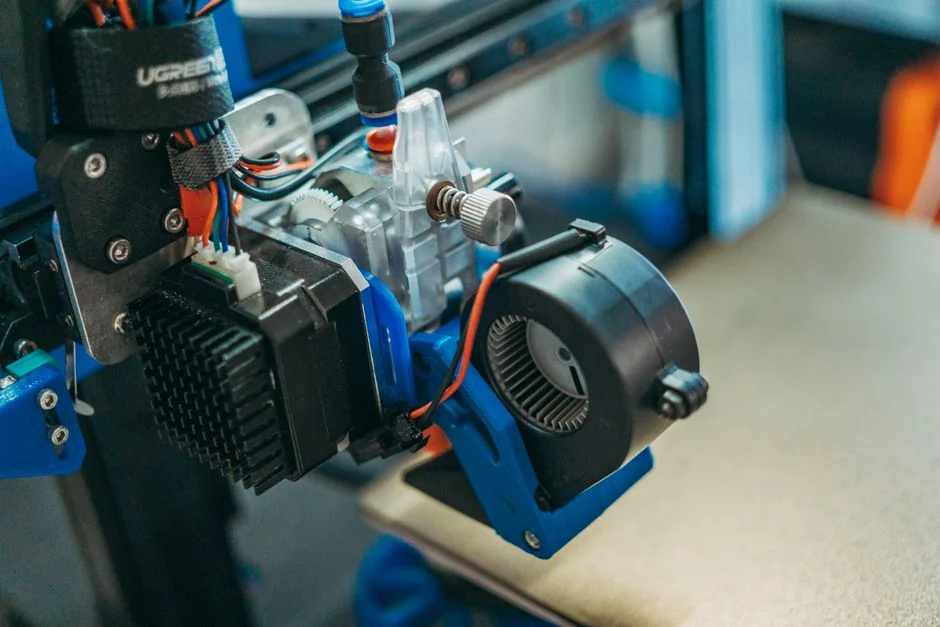
Silk PLA uses the same base polymer as standard PLA but includes an additive, typically a silicone or wax-adjacent compound, that changes how the surface reflects light as the material cools. The result is a sheen that reads as metallic or satin depending on the colorway and layer height. Print settings are nearly identical to standard PLA, which is why silk PLA is a low-friction upgrade for most FDM setups.
The trade-off is mechanical. Silk PLA is slightly more brittle than standard PLA and notably more brittle than PLA+. Layer adhesion is generally a little weaker, which matters for structural parts but is irrelevant for decorative prints. The material is not suited for functional parts that see stress, repeated flexion, or elevated temperature. For visual output only, the case for silk is strong.
Single-Color vs. Multi-Color Spools
Single-color silk spools, like the ERYONE Liquid Gold or the SUNLU chrome finish, give the most predictable output. What you see on the spool is what the print produces, with variation only from layer height and print speed. These are the right choice for consistent production runs or for colorways where accuracy matters.
Multi-color options like the AMOLEN dual-color bundle or the LANDU tri-color spool trade predictability for visual effect. The gradient transition point on these spools shifts with each print, meaning no two prints from the same spool look identical. That’s either a feature or a problem depending on what’s being printed. Decorative pieces and one-off display items benefit from the variation. Matched sets or repeated production runs do not.
Choosing Between Full Spools and Sample Packs
Sample packs exist to solve a real problem: silk PLA color accuracy varies significantly between the product listing photo and the actual printed output. The difference in ambient lighting, layer height, and printer calibration all affect the final appearance. Buying a full 1kg spool of a color that prints wrong is an expensive mistake.
The MIKA3D and 25-color packs both follow the same logic, 4 meters per color is enough for a calibration print, not a finished part. The right workflow is to run the sample, assess the color under the intended display lighting, then order the full spool in the colorways that pass. For anyone sourcing silk PLA for client work or gifts, this approach saves money over time. The Filament hub has guidance on evaluating sample pack results and translating them to full-spool orders.
Print Settings for Silk PLA
Silk PLA typically prints 5-10°C hotter than standard PLA to maintain adequate flow through the additive-modified material. Most owners land between 200-220°C for the nozzle, with a 60°C bed. Cooling fan speed is worth reducing slightly on the first few layers, silk material benefits from a slower initial bond to the bed.
Retraction settings often need a small increase compared to standard PLA profiles. The material’s lower viscosity at print temperature makes it slightly more prone to stringing, particularly on models with significant travel between features. Owners running Bowden setups report this more than direct-drive users. A small retraction bump, typically 0.5-1mm more than the standard PLA profile, addresses it without causing under-extrusion.
Storage and Handling
Silk PLA absorbs moisture at roughly the same rate as standard PLA, which means the same storage rules apply. An airtight container with silica desiccant is adequate for most home environments. Printed silk PLA surface quality degrades noticeably with wet filament, the sheen becomes inconsistent and the surface develops small bubbles or voids where moisture has converted to steam during extrusion.
Most owners don’t dry silk PLA before use unless the spool has been sitting open for more than a few weeks. If surface quality drops without an obvious cause, drying at 45-50°C for 4-6 hours is the first diagnostic step. Standard PLA dryers handle silk PLA without modification.
Frequently Asked Questions
Does silk PLA require a different printer or special hardware?
No special hardware is required. Silk PLA runs on any standard FDM printer with a 1.75mm hot end capable of reaching 220°C. Most owners don’t change nozzles, standard brass 0.4mm nozzles handle silk PLA without issue. The main adjustment is in slicer settings rather than hardware, specifically print temperature and retraction distance.
How does silk PLA hold up compared to standard PLA for functional parts?
Silk PLA is weaker in layer adhesion and impact resistance than standard PLA, and significantly weaker than PLA+. Community consensus on r/3Dprinting is consistent: silk PLA is a decorative material. For brackets, clips, functional enclosures, or anything that experiences mechanical stress, standard PLA or PETG is the better choice. The ERYONE and SUNLU options are both reliable for display parts but not structural ones.
What’s the difference between the dual-color AMOLEN bundle and the tri-color LANDU spool?
Both use a single spool that transitions between colors during the print. The AMOLEN Silk PLA Filament Bundle cycles between two colors, the LANDU Silk Tri-Color PLA Filament cycles between three. The transition point on both shifts with each print, so color placement is not controllable. The LANDU produces a wider gradient range on taller prints; the AMOLEN is better documented with more owner reports to draw from.
Are the sample packs worth it, or should I just order a full spool?
Sample packs are worth it if color accuracy matters for the project. Silk PLA color shifts significantly between the product listing and the actual print, depending on layer height and ambient lighting. The MIKA3D and 25-color packs both provide enough material to run a calibration print in each color. For single-color decorative projects where an approximate match is fine, skipping the sample pack and ordering a full spool from an established option like ERYONE or SUNLU is the faster path.
Does silk PLA work with a 3D pen?
The 25 Colors sample pack listing specifically notes compatibility with 3D pens. Silk PLA flows at similar temperatures to standard PLA, so most 3D pens rated for PLA will handle it. The silk sheen on pen-extruded material is less consistent than on printed surfaces because the cooling rate is different, but owners report the metallic color still reads well in pen work.

AMOLEN Silk PLA 3D Printer Filament Bundle, Shiny Dual Color Filament 1.75mm Pack, Multi Color Change 3D Printing
- Silk finish provides shiny, professional appearance compared to matte filaments
- Dual color multi-color change feature adds visual variety to prints
- PLA filament requires lower temperature control than some alternatives
ERYONE Silk PLA Filament for 3D Printer 1.75mm +/- 0.03mm, Shiny Filament 1kg (2.1lbs)/Spool, Liquid Gold
- Silk finish provides visually appealing shiny appearance compared to matte filaments
- Tight tolerance of +/- 0.03mm supports consistent extrusion and print quality
- PLA material has lower heat resistance than ABS or nylon alternatives
MIKA3D 16 Colors Silk Shiny PLA Filament Sample Pack, Each Color 4 Meter Length, Total 64m Silk Shiny PLA 3D Printer 3D
- 16 colors included enables diverse project color options
- 4 meter per color allows testing before bulk purchase
- Sample pack format limits total material for large projects
SUNLU Silk PLA+ Filament 1.75mm, Chrome Like Gloss Finish, Smooth Silk Texture, Upgraded Formula for Stable Printing,
- Upgraded formula promises stable printing performance
- Silk texture with chrome-like gloss finish aesthetic
- Specialty silk filament typically costs more than standard PLA
LANDU Silk Tri-Color PLA Filament 1.75mm 1Kg, Triple Color Silk PLA Filament, Silk Rainbow PLA Filament, Neatly Wound
- Tri-color silk finish provides visually appealing prints
- 1.75mm diameter compatible with most 3D printers
- Unknown brand may lack established warranty or support
25 Colors Silk Shiny PLA Filament Sample Pack, Each Color 4 Meter Length, Total 100m 3D Printer 3D Pen Material Refill,
- 25 different colors enables diverse multi-color 3D printing projects
- Silk finish provides aesthetic appeal versus standard matte filament
- 4 meters per color is minimal for substantial printing projects
Where to Buy
AMOLEN Silk PLA 3D Printer Filament Bundle, Shiny Dual Color Filament 1.75mm Pack, Multi Color Change 3D PrintingSee AMOLEN Silk PLA 3D Printer Filament B… on Amazon