Best Resin SLA 3D Printers for Hobbyists: Top Picks

Affiliate disclosure: Some links on this page are affiliate links. If you buy through them we earn a small commission at no extra cost to you. Recommendations are research-driven; we don't claim personal use of every product reviewed. Product prices and availability are accurate as of the date published and are subject to change. Always check Amazon for current pricing before purchasing. Learn more.

Quick Picks
ELEGOO Saturn 4 Ultra 16K Resin 3D Printer with 10" 16K Mono LCD and Flip-up Lid, Smart Tank Heating at 30 °C, 150mm/h
16K mono LCD provides exceptional print detail and resolution
Buy on AmazonANYCUBIC Photon Mono 4, Resin 3D Printer with 7'' 10K Mono LCD Screen, Stable LighTurbo Light Source and 70mm/h Fast
10K Mono LCD screen enables high resolution detailed prints
Buy on AmazonANYCUBIC Upgraded Standard 3D Printer Resin, 405nm SLA Fast UV-Curing Resin, High Precision & Rapid Photopolymer for 8K
405nm wavelength enables fast UV-curing photopolymer printing
Buy on Amazon| Product | Price Range | Top Strength | Key Weakness | Buy |
|---|---|---|---|---|
| ELEGOO Saturn 4 Ultra 16K Resin 3D Printer with 10" 16K Mono LCD and Flip-up Lid, Smart Tank Heating at 30 °C, 150mm/h best overall | $$ | 16K mono LCD provides exceptional print detail and resolution | High-resolution 16K printers require more processing power | Buy on Amazon |
| ANYCUBIC Photon Mono 4, Resin 3D Printer with 7'' 10K Mono LCD Screen, Stable LighTurbo Light Source and 70mm/h Fast also consider | $$ | 10K Mono LCD screen enables high resolution detailed prints | Resin 3D printing requires messy post-processing and material handling | Buy on Amazon |
| ANYCUBIC Upgraded Standard 3D Printer Resin, 405nm SLA Fast UV-Curing Resin, High Precision & Rapid Photopolymer for 8K also consider | $$ | 405nm wavelength enables fast UV-curing photopolymer printing | Resin-based printing requires careful handling and post-processing | Buy on Amazon |
| SUNLU 3D Printer Resin, Strong Durable Nylon Like 3D Resin for LCD DLP SLA Resin 3D Printers, 395-405nm UV Light Curing also consider | $$ | Compatible with multiple printer types: LCD, DLP, and SLA | Resin-based materials typically require careful handling and safety precautions | Buy on Amazon |
| ANYCUBIC ABS-Like Resin Pro 2 Bundle, Upgraded 8K 3D Printer Resin with Enhanced Strength and Toughness, Wide also consider | $$ | 8K resolution enables detailed, high-precision resin prints | Resin printing requires careful post-processing and curing steps | Buy on Amazon |
| ANYCUBIC 3D Printer Resin, ABS-Like Resin Pro 2 with Enhanced Strength and Toughness, Performance far Superior to also consider | $$ | ABS-Like formulation offers enhanced strength and toughness for durable prints | Resin printing requires proper ventilation and safety precautions during use | Buy on Amazon |
Resin printing has a way of exposing exactly how much detail your designs were actually carrying, the layer lines disappear, the overhangs resolve cleanly, and features that FDM would blur into approximations come out sharp. The trade-off is real: resin handling requires ventilation, PPE, and a wash-and-cure step that FDM skips entirely. For buyers willing to work within those constraints, the results are consistently worth it.
The picks below cover both printers and resins across the mid-range, where most hobbyists land after the first machine. For a broader look at the category, the Resin Printers hub maps the full landscape.
Top Picks
ELEGOO Saturn 4 Ultra 16K Resin 3D Printer
The ELEGOO Saturn 4 Ultra 16K is the machine spec sheets describe as the ceiling of current consumer mono LCD technology. The 10-inch 16K mono LCD pushes pixel density to a point where detail resolution stops being a meaningful constraint for most miniature and jewelry work, owner reports on r/3Dprinting consistently describe surface quality that requires magnification to assess properly.
The smart tank heating system, which holds resin at 30°C, addresses one of the persistent frustrations owners of large-format resin printers have flagged in colder workshops: cold resin prints inconsistently, and warming it manually between sessions adds friction to every build. The Saturn 4 Ultra handles this automatically, which matters more as the build platform scales up and resin volume increases.
The trade-offs are proportional to the format. A 10-inch platform consumes significantly more resin per print than a 6- or 7-inch machine, so running it efficiently means thinking in batches rather than single parts. The 16K resolution also demands more processing overhead per layer, print preparation on older hardware will feel slower. For builders working at scale on high-detail parts, the case for this machine is strong.
Check current price on Amazon.
ANYCUBIC Photon Mono 4
The ANYCUBIC Photon Mono 4 sits at a more approachable format: a 7-inch 10K mono LCD paired with Anycubic’s LighTurbo light source. The LighTurbo architecture is designed to distribute UV exposure evenly across the entire screen rather than concentrating intensity at the center, owner reports describe consistent layer adhesion edge-to-edge, which is where cheaper light sources typically fall apart on larger prints.
At 70mm/h, the Photon Mono 4 prints faster than most entry-level resin machines without the kind of layer separation failures that pushed too-fast settings produce. The speed is a genuine quality-of-life improvement for anyone running multiple small batches, tabletop figures, jewelry masters, dental models, where the bottleneck is often print queue management rather than individual print time.
Mono LCD screens have finite lifespans, and that applies here as it does to any mono-LCD machine. The 10K resolution is excellent but does not match the Saturn 4 Ultra’s 16K pixel density, for buyers whose work lives or dies on the finest surface detail, that gap is real. For everyone else, the Photon Mono 4 is a capable, efficient machine at a more manageable footprint.
Check current price on Amazon.
ANYCUBIC Upgraded Standard 3D Printer Resin
Resin selection matters as much as printer selection, and the ANYCUBIC Upgraded Standard Resin is positioned as the baseline 405nm option for 8K-capable machines. The 405nm wavelength is the de facto standard for current mono LCD printers, it cures quickly under the UV arrays these machines use, and Anycubic’s formulation is tuned to balance cure speed with layer clarity.
Owner reports describe this resin as reliable across a range of exposure settings, which matters practically because dialing in new resin on a new printer involves iteration. A forgiving resin reduces the number of failed prints in that calibration phase. Community consensus on r/3Dprinting points to this as a solid starting point before moving to specialty formulations.
The cost-per-volume is higher than any FDM filament, and that is a structural feature of resin printing rather than a product-specific flaw. Material handling, gloves, ventilation, sealed storage, is non-negotiable with any 405nm photopolymer resin. For buyers setting up a new Anycubic machine and wanting a known-good first resin without chasing exotic formulations, this is the practical choice.
Check current price on Amazon.
SUNLU 3D Printer Resin, Strong Durable Nylon-Like
Most standard resins optimize for surface finish and detail resolution. The SUNLU Nylon-Like Resin trades some of that brittleness for durability, the nylon-like formulation produces parts that flex before they fracture, which standard resins generally cannot claim. The 395, 405nm curing range means it works across the full spread of current LCD, DLP, and SLA light sources without exposure setting gymnastics.
Owner reports describe parts with noticeably better impact resistance than standard resin prints, which is relevant for anyone printing mechanical components, snap-fit assemblies, or anything that needs to survive handling rather than just display on a shelf. The surface finish is still well above what FDM produces at comparable settings, though the focus here is structural rather than decorative.
The trade-off is the same one that applies to any engineering-oriented resin: handling requirements are identical to standard photopolymers. Gloves, ventilation, and proper wash-and-cure steps apply. For buyers who have been avoiding resin because their parts kept snapping under load, this formulation changes the practical calculus.
Check current price on Amazon.
ANYCUBIC ABS-Like Resin Pro 2 Bundle
The ANYCUBIC ABS-Like Resin Pro 2 Bundle targets buyers who need resin surface quality paired with thermoplastic-adjacent toughness. The ABS-like designation describes the mechanical behavior after cure: reduced brittleness, improved impact resistance, and enough flex to handle light mechanical stress. The 8K resolution support means it runs cleanly on current mid-range and upper-tier mono LCD machines without exposure compromises.
The bundle format makes this a reasonable starting point for buyers equipping a new printer, rather than sourcing resin separately, the package addresses the first-fill question directly. Owner reports describe the Pro 2 formulation as an improvement over the previous generation in terms of layer adhesion and post-cure hardness, with less tendency toward delamination on taller prints.
ABS-like resins occupy the upper tier of standard resin pricing, which is the honest trade-off for the improved mechanical properties. Post-processing requirements are unchanged from standard resin, wash, cure, and handle with the same precautions. For buyers printing functional enclosures, brackets, or any part that will see repeated handling, the Pro 2’s durability profile justifies the step up.
Check current price on Amazon.
ANYCUBIC 3D Printer Resin, ABS-Like Resin Pro 2
The standalone ANYCUBIC ABS-Like Resin Pro 2 covers the same formulation as the bundle version without the package framing, relevant for buyers who already have a machine and consumables, and simply need a reliable mid-range ABS-like resin to stock. The Pro 2 generation designation reflects a reformulation over the original ABS-Like line, with owner feedback pointing to improved toughness and more consistent results across different printer brands.
Community consensus indicates this resin performs well on both Anycubic and Elegoo machines, which is worth noting because some resins calibrated for one brand’s UV array behave erratically on another’s. The 8K resolution support is not a marketing distinction here, at higher pixel densities, resin viscosity and cure characteristics interact with layer definition in ways that cheaper formulations visibly fail to handle.
For buyers already running a machine and working through their resin options, the ABS-Like Pro 2 is a well-documented mid-range choice with enough real-world ownership data to calibrate against. Ventilation and handling precautions apply as with any photopolymer.
Check current price on Amazon.
Buying Guide

Resolution: What 8K, 10K, and 16K Actually Mean
Resolution labels on resin printers describe the LCD panel’s pixel count, which directly determines the minimum feature size the machine can resolve. An 8K panel on a 6-inch screen produces finer XY resolution than the same 8K panel on a 10-inch screen, the pixels spread over more area. This means comparing resolution numbers without comparing screen size misses half the picture.
For tabletop miniatures and jewelry masters, XY resolution below 35 microns is where detail genuinely becomes hard to distinguish from the real object. The 10K Photon Mono 4 and 16K Saturn 4 Ultra both reach that range; standard 4K machines typically do not. Buyers whose work does not demand that threshold can step down without visible cost.
Resin Type: Standard, ABS-Like, and Engineering Formulations
Standard resins optimize for surface quality and low cost. They produce excellent detail but brittle parts, drop a standard resin print onto a hard floor and it fractures cleanly. ABS-like resins, including the ANYCUBIC ABS-Like Pro 2 and the SUNLU Nylon-Like, add flex and impact resistance at the cost of a small detail penalty and higher material cost.
For decorative work, display models, and masters for casting, standard resin is the right call. For mechanical parts, enclosures, and anything that will be handled regularly, ABS-like or engineering resins are worth the material cost premium. Matching resin type to the application before ordering saves a failed print run.
Build Volume and Batch Efficiency
Larger build platforms do not just enable bigger single parts, they enable more parts per build. The Saturn 4 Ultra’s 10-inch platform can fit a full session’s worth of 28mm miniatures in a single print, where a 6-inch machine requires two or three runs. The efficiency math changes depending on whether you are printing one large object or many small ones.
The corresponding cost is resin consumption. A 10-inch FEP-filled tank uses significantly more resin per session than a smaller platform, which matters if you are running experimental settings or new resin calibrations where failed prints waste material. For high-volume hobbyists, the larger format pays back. For occasional printing, a smaller machine wastes less on calibration overhead.
Post-Processing: The Step That Determines Part Quality
Every resin print requires wash and cure after the build plate lifts. Isopropyl alcohol or dedicated wash solutions remove uncured resin from part surfaces; a UV cure station then hardens the final surface to full strength. Skipping or shortcutting either step produces tacky surfaces, reduced strength, and parts that continue to off-gas.
The wash-and-cure step is where printer choice interacts with resin choice. Thicker, more viscous resins, typical of engineering formulations, require longer wash times and more agitation to clean fully. Buyers adding a resin printer to an FDM workflow should budget for a wash station and cure box alongside the printer itself. For more details on workflow and setup, the resin printing hub covers the full post-processing side of the category.
Safety: Ventilation, PPE, and Storage
Photopolymer resins are chemical irritants. Every resin on this list, standard, ABS-like, or nylon-type, requires nitrile gloves during handling, dedicated ventilation during printing, and sealed storage between sessions. The 405nm UV wavelength that cures these resins also cures them on skin, which is a slow and unpleasant way to discover that the PPE requirement is not optional.
Dedicated resin printing spaces, a basement, garage, or well-ventilated room, are the practical minimum. Activated carbon filtration helps contain VOC off-gassing during long print sessions. Used resin, wash solution, and cured waste all require proper disposal rather than drain dumping. These are fixed costs of the format regardless of which machine or resin you choose.
Frequently Asked Questions
What is the difference between SLA, MSLA, and DLP resin printers?
SLA (stereolithography) uses a laser to trace each layer point by point. MSLA (masked SLA), the technology behind Anycubic and Elegoo mono LCD machines, exposes the entire layer at once through an LCD mask, which is faster and cheaper to manufacture. DLP uses a digital projector instead of an LCD. For most hobbyists buying a consumer machine today, MSLA mono LCD is the practical standard, the printers on this list all fall into that category.
How long do mono LCD screens last, and can they be replaced?
Mono LCD screens in current resin printers typically last between 2,000 and 5,000 print hours depending on the machine and exposure settings. Replacement screens are available for most popular models, and the swap is a documented DIY repair on machines from both Anycubic and Elegoo. Owners on r/3Dprinting track screen hours closely and recommend replacement before full failure to avoid mid-print failures on long builds.
Is ABS-like resin actually as strong as ABS filament?
Not directly comparable, ABS-like resin is less brittle than standard resin and shares some flex characteristics with ABS, but the material behavior after cure is different from thermoplastic ABS. Impact resistance is improved over standard resin, and the ANYCUBIC ABS-Like Resin Pro 2 performs well for light mechanical parts and enclosures. For structural components under sustained load or high heat, engineering-grade thermoplastics still have the advantage.
Do I need a specific resin for high-resolution printers like the Saturn 4 Ultra?
Not brand-exclusively, but resin viscosity and cure characteristics interact with pixel density in ways that become visible at 10K and above. Owner consensus points to using resins rated for 8K or higher resolution, both Anycubic and SUNLU label their current formulations accordingly. Running standard budget resins on a 16K machine does not unlock the full resolution potential and can produce layer artifacts that the resin, not the printer, is responsible for.
What post-processing equipment do I need alongside a resin printer?
At minimum: a wash station (IPA or dedicated wash solution), a UV cure box, nitrile gloves, and a dedicated container for resin waste. Most owners also add a paper towel roll and isopropyl spray to the workspace for cleanup. The Elegoo Mercury Plus and Anycubic Wash and Cure Plus are the commonly recommended combined units. Budget for this equipment alongside the printer, printing without a proper cure step produces parts with degraded surface hardness regardless of resin or machine quality.
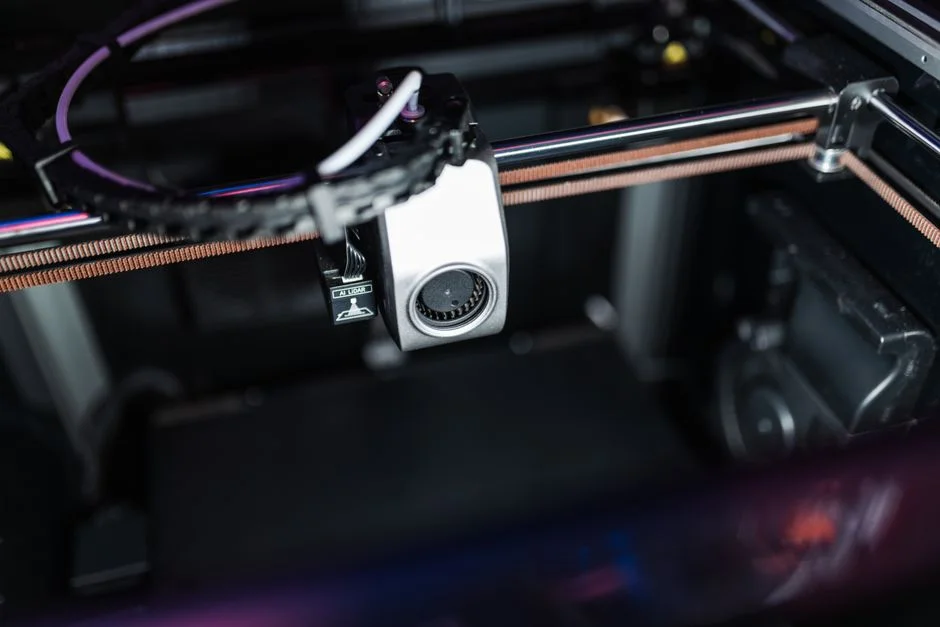
ELEGOO Saturn 4 Ultra 16K Resin 3D Printer with 10" 16K Mono LCD and Flip-up Lid, Smart Tank Heating at 30 °C, 150mm/h
- 16K mono LCD provides exceptional print detail and resolution
- 10-inch build platform enables larger single prints
- High-resolution 16K printers require more processing power
ANYCUBIC Photon Mono 4, Resin 3D Printer with 7'' 10K Mono LCD Screen, Stable LighTurbo Light Source and 70mm/h Fast
- 10K Mono LCD screen enables high resolution detailed prints
- 70mm/h fast print speed reduces overall production time
- Resin 3D printing requires messy post-processing and material handling
ANYCUBIC Upgraded Standard 3D Printer Resin, 405nm SLA Fast UV-Curing Resin, High Precision & Rapid Photopolymer for 8K
- 405nm wavelength enables fast UV-curing photopolymer printing
- 8K resolution supports high precision detailed resin prints
- Resin-based printing requires careful handling and post-processing
SUNLU 3D Printer Resin, Strong Durable Nylon Like 3D Resin for LCD DLP SLA Resin 3D Printers, 395-405nm UV Light Curing
- Compatible with multiple printer types: LCD, DLP, and SLA
- Nylon-like durability suggests strong, flexible printed parts
- Resin-based materials typically require careful handling and safety precautions
ANYCUBIC ABS-Like Resin Pro 2 Bundle, Upgraded 8K 3D Printer Resin with Enhanced Strength and Toughness, Wide
- 8K resolution enables detailed, high-precision resin prints
- ABS-Like material offers enhanced strength and toughness
- Resin printing requires careful post-processing and curing steps
ANYCUBIC 3D Printer Resin, ABS-Like Resin Pro 2 with Enhanced Strength and Toughness, Performance far Superior to
- ABS-Like formulation offers enhanced strength and toughness for durable prints
- ANYCUBIC brand has established reputation in resin 3D printer market
- Resin printing requires proper ventilation and safety precautions during use
Where to Buy
ELEGOO Saturn 4 Ultra 16K Resin 3D Printer with 10" 16K Mono LCD and Flip-up Lid, Smart Tank Heating at 30 °C, 150mm/hSee ELEGOO Saturn 4 Ultra 16K Resin 3D Pr… on Amazon