Best Polycarbonate Filament for FDM 3D Printing
Affiliate disclosure: Some links on this page are affiliate links. If you buy through them we earn a small commission at no extra cost to you. Recommendations are research-driven; we don't claim personal use of every product reviewed. Product prices and availability are accurate as of the date published and are subject to change. Always check Amazon for current pricing before purchasing. Learn more.
Quick Picks
Polymaker PC Filament 1.75mm, Clear Polycarbonate Filament 1.75mm 1kg Cardboard Spool - PolyLite Transparent PC
Polycarbonate material offers high strength and transparency
Buy on AmazonSUNLU PC Filament 1KG, 1.75mm Polycarbonate 3D Printer Filament, High Temperature Reusable Spool, Impact Resistance &
Polycarbonate material offers high impact resistance for durable prints
Buy on AmazonELEGOO PC Filament 1.75mm Black 1KG, Tough and Durable Professional 3D Printer Filament Dimensional Accuracy +/- 0.05mm
Tight dimensional accuracy at +/- 0.05mm for precise prints
Buy on Amazon| Product | Price Range | Top Strength | Key Weakness | Buy |
|---|---|---|---|---|
| Polymaker PC Filament 1.75mm, Clear Polycarbonate Filament 1.75mm 1kg Cardboard Spool - PolyLite Transparent PC best overall | $$ | Polycarbonate material offers high strength and transparency | Polycarbonate requires high printing temperatures and expertise | Buy on Amazon |
| SUNLU PC Filament 1KG, 1.75mm Polycarbonate 3D Printer Filament, High Temperature Reusable Spool, Impact Resistance & also consider | $$ | Polycarbonate material offers high impact resistance for durable prints | High temperature polycarbonate requires heated bed and chamber setup | Buy on Amazon |
| ELEGOO PC Filament 1.75mm Black 1KG, Tough and Durable Professional 3D Printer Filament Dimensional Accuracy +/- 0.05mm also consider | $$ | Tight dimensional accuracy at +/- 0.05mm for precise prints | PC filament requires higher temperatures than common materials | Buy on Amazon |
| Polymaker Polymax Tough PC Filament 1.75mm, Red Polycarbonate Filament 1.75mm 0.75kg Cardboard Spool - 3D Printer also consider | $$ | Polycarbonate material offers high strength and heat resistance | Polycarbonate requires heated bed and chamber for successful printing | Buy on Amazon |
| Polymaker Fiberon PA6-GF Glass Fiber Nylon Filament 1.75mm Grey 0.5kg, Fiberon PA6-GF Nylon Warp Free 1.75mm 3D also consider | $$ | Glass fiber reinforcement increases strength and rigidity versus standard nylon | Glass fiber nylon requires higher temperatures, limiting printer compatibility | Buy on Amazon |
Polycarbonate is one of the more demanding materials in FDM printing, high extrusion temperatures, a heated chamber helps significantly, and warping punishes printers without proper enclosures. The payoff is real: PC prints that survive heat, flex, and impact that would crack or deform PETG or ABS without much trouble.
This roundup covers the strongest PC filament options available right now, drawn from spec sheets, manufacturer data, and owner consensus across r/3Dprinting and maker forums. For broader context on engineering-grade and specialty filament choices, the Filament hub is a useful starting point.
Top Picks
Polymaker PolyLite PC Filament 1.75mm Clear
Polymaker PolyLite PC Filament 1.75mm Clear is the most consistently recommended entry point for PC printing, and the transparency is the feature that separates it from the rest of the field. Clear PC is genuinely difficult to formulate, most competitors ship opaque or semi-translucent results at best, and Polymaker’s PolyLite consistently delivers good optical clarity without requiring extreme dialing-in.
Owner reports across multiple print communities point to reliable layer adhesion and low warping behavior compared to generic PC, which matters more than it sounds at this material tier. The 1kg spool is a standard quantity for an engineering material, enough to run multiple functional prototypes or test bed-temperature/chamber combinations before committing a workflow.
The cardboard spool is worth noting. In high-humidity environments or longer storage periods, cardboard will absorb moisture faster than plastic hubs. Desiccant storage between print sessions is more important here than it would be with a plastic-spooled filament. That caveat aside, owner consensus on this material is strong, and it holds up as the default recommendation for anyone new to PC.
Check current price on Amazon.
SUNLU PC Filament 1KG 1.75mm
SUNLU PC Filament 1KG enters the field as a mid-range option with a reusable spool design, a minor but real advantage for anyone printing in volume and managing filament inventory across multiple materials. The spool itself is sturdier than cardboard alternatives, which also improves moisture resistance during storage.
The impact resistance spec on this filament is what drives most of the owner interest. Verified buyer reports describe it holding up well for functional brackets, tool holders, and protective enclosures, the kind of parts where standard PLA or PETG starts to show stress fractures under mechanical load or heat. The PC formulation handles brief high-temperature exposure noticeably better than ABS in owner-reported comparisons.
Print settings still require a proper setup: heated bed at minimum, enclosed chamber strongly preferred. Owners who run open-frame printers without enclosures report mixed results, warping is manageable on small footprints but becomes a real variable on parts over roughly 100mm on a side. If the printer setup is already dialed for ABS, SUNLU PC will behave similarly with a temperature bump.
Check current price on Amazon.
ELEGOO PC Filament 1.75mm Black 1KG
The dimensional accuracy claim on ELEGOO PC Filament 1.75mm Black is the lead spec: ±0.05mm tolerance is competitive at the mid-range tier, and consistent diameter matters more with PC than it does with forgiving materials like PETG. Underextrusion and inconsistent flow are common failure modes when PC diameter varies, tighter tolerances reduce that risk.
Black is a practical color choice for functional parts, where aesthetics matter less than mechanical performance. The downside is what the brief notes: it’s genuinely harder to inspect layer quality or catch early print failures on a black surface under typical workshop lighting. A bright light source and some attention to the first few layers is worth building into the workflow.
Owner feedback on ELEGOO’s PC line skews positive for parts exposed to repeated mechanical stress, snap-fit housings, friction-fit connectors, and bracket assemblies are where this filament gets recommended in forum threads. ELEGOO’s filament quality control across their broader lineup is generally well-regarded by the r/3Dprinting community, and the PC entry carries that reputation forward.
Check current price on Amazon.
Polymaker PolyMax Tough PC Filament 1.75mm Red
Polymaker PolyMax Tough PC Filament is Polymaker’s reinforced PC formulation, a step up from PolyLite in impact resistance and toughness, designed for parts where structural failure has real consequences. Owner reports consistently describe it as the stronger choice for load-bearing applications compared to the PolyLite line.
The heat resistance is the second key differentiator. PolyMax Tough PC carries a higher heat deflection rating than standard PC blends, which makes it appropriate for under-hood automotive parts, tooling fixtures, or electronics enclosures where operating temperatures regularly exceed what ABS or ASA can handle reliably. The red color here is a minor differentiator in a field dominated by black and natural-clear options.
The 0.75kg spool is a smaller quantity than most competitors at this tier. For prototyping or smaller functional runs, that’s fine. For anyone planning a full production batch of a single part, the spool size means potentially managing a mid-project transition, worth factoring into job planning. Print settings follow the same PC requirements: heated bed, enclosed environment, and a hardened nozzle if abrasive-filled variants are in the broader material rotation.
Check current price on Amazon.
Polymaker Fiberon PA6-GF Glass Fiber Nylon Filament 1.75mm
Polymaker Fiberon PA6-GF is included here as a legitimate engineering alternative to polycarbonate, not a substitute for it. Glass-fiber-reinforced PA6 occupies a different mechanical profile: higher rigidity and dimensional stability under sustained load, lower impact resistance than PC, and significantly better printability on machines that can handle nylon temperatures but fall short of full PC requirements.
The warp-free formulation is the headline spec, and owner reports largely support it. Standard PA6 is notoriously warp-prone, the GF reinforcement meaningfully reduces that tendency, which makes this filament more accessible to enclosed printers that can’t hit the upper end of PC printing temperatures. For parts that need rigidity and precise geometry over time, the GF variant outperforms both unfilled nylon and standard PC in dimensional stability under static load.
The 0.5kg spool is small, this is clearly a material-evaluation quantity, not a production quantity. That’s appropriate for a specialty reinforced filament: most users will want to run test geometry before committing to a larger purchase. Moisture management is critical; PA6 absorbs atmospheric moisture faster than PC, and a dry box or sealed storage with active desiccant is mandatory, not optional.
Check current price on Amazon.
Buying Guide
Print Temperature and Printer Requirements
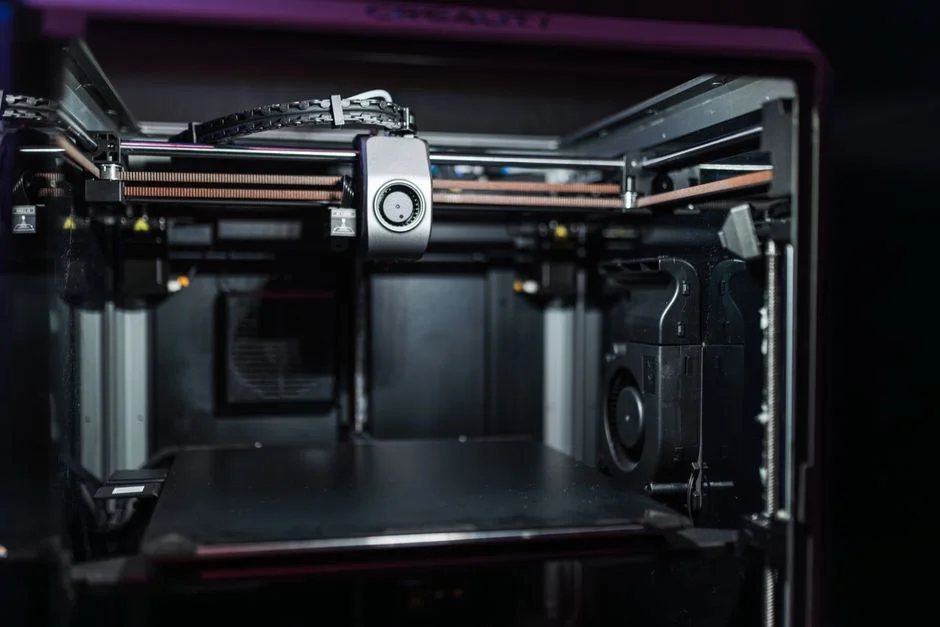
PC filament runs hot, typically 260-310°C at the nozzle, depending on formulation. That range is above what many budget or entry-level hotends are rated for, and pushing a hotend beyond its thermal rating risks both print failure and hardware damage. Before buying PC filament, verify the printer’s maximum hotend temperature against the filament manufacturer’s recommended range.
A heated bed is required, not optional. Bed temperatures for PC typically run 90-120°C. Without adequate bed adhesion and thermal stability at the base layer, warping on larger parts is nearly certain. An enclosed build chamber extends that thermal stability through the full height of the print, which matters more as part height increases.
Enclosure and Chamber Temperature
Open-frame printers can produce successful PC prints on small footprints, but the failure rate climbs quickly with part size. The ambient temperature differential between the hot nozzle and a room-temperature build environment causes differential contraction at layer boundaries, the root cause of PC warping and layer delamination. An enclosure that maintains 40-60°C ambient temperature during printing addresses the majority of these failure modes.
Owners running Bambu Lab X-series machines or enclosed Prusa setups report significantly better PC results than comparable prints on open-frame hardware. If a new enclosure is part of the build plan, the filament section includes guidance on which printer types are well-matched to engineering-grade materials.
Moisture Management and Storage
PC is hygroscopic, it absorbs moisture from ambient air, and wet filament produces stringing, bubbles, and weak layer bonds regardless of how well the print settings are dialed. Drying PC filament before printing is standard practice, not a troubleshooting step. Most owners use a food dehydrator or filament dryer set to 70-80°C for four to six hours before a print session.
Cardboard spools complicate long-term storage because the spool itself absorbs humidity. For filaments shipped on cardboard, including several Polymaker options in this roundup, transferring to a sealed container with fresh desiccant after opening is worth the added step. Reusable spool designs, like SUNLU’s, reduce this variable modestly.
Nozzle Compatibility and Hardware Wear
Standard brass nozzles are compatible with unfilled PC filament. Glass-fiber or carbon-fiber-reinforced variants, like the Polymaker Fiberon PA6-GF covered in this roundup, are abrasive and will wear a brass nozzle measurably over a few hundred grams of material. Hardened steel or ruby-tipped nozzles are the correct hardware choice for any filled engineering filament.
Running filled filament through a brass nozzle doesn’t produce an immediate failure, but the nozzle diameter will drift over time, and print quality degrades gradually in ways that are easy to misattribute to settings. The hardware investment in a hardened nozzle pays back quickly in consistent long-term results.
Matching Filament to Application
Polycarbonate is the right choice for parts that need high impact resistance, elevated operating temperatures, or optical transparency. It is not the right choice for parts where printability and ease of processing matter more than performance, PLA or PETG will produce better results with less effort for non-structural applications.
For applications requiring rigidity under sustained static load, fixtures, jigs, machine components, glass-fiber nylon like the Fiberon PA6-GF is worth evaluating alongside PC. The two materials solve different problems. PC handles shock and heat; reinforced nylon handles sustained mechanical stress and dimensional stability. Matching the filament to the actual failure mode of the part produces better outcomes than defaulting to the highest-temperature material available.
Frequently Asked Questions
What print temperature does polycarbonate filament require?
Most PC filaments print between 260°C and 310°C at the nozzle, with bed temperatures typically running 90-120°C. The exact range varies by formulation, Polymaker’s PolyLite and PolyMax lines publish their recommended ranges clearly in the technical data sheets. Verifying the printer’s maximum hotend temperature before purchase is an essential first step, since many mid-range printers cap out below what PC requires.
Do I need an enclosure to print polycarbonate successfully?
An enclosure is strongly recommended and effectively required for larger parts. Small prints with short cross-sections can succeed on open-frame hardware, but warping and layer delamination become significant variables as part height and footprint increase. Owner reports across r/3Dprinting consistently show that enclosed printers produce more reliable PC results than open-frame setups, even with identical print settings.
What is the difference between PolyLite PC and PolyMax Tough PC?
PolyLite PC is Polymaker’s standard polycarbonate formulation, good transparency, solid impact resistance, and the most accessible entry point for PC printing. PolyMax Tough PC is a reinforced variant with higher impact resistance and a higher heat deflection rating, intended for parts under real mechanical or thermal stress. For structural or load-bearing applications, Polymaker PolyMax Tough PC Filament is the stronger choice. For optical parts or cost-sensitive prototyping, PolyLite is the practical option.
Is the Polymaker Fiberon PA6-GF a substitute for polycarbonate?
Not directly, the two materials solve different problems. PA6-GF has better dimensional stability under sustained static load and is more printable on machines that can’t reach full PC temperatures. PC has higher impact resistance and better optical properties. If the goal is rigidity and warp-free geometry over time, Polymaker Fiberon PA6-GF is worth evaluating.
How should I store polycarbonate filament between print sessions?
PC filament should be stored in a sealed container with active desiccant, silica gel or a comparable desiccant pack rated for the storage volume. Cardboard-spooled filaments like several Polymaker options in this roundup are more vulnerable to humidity absorption through the spool itself. Drying filament at 70-80°C for four to six hours before printing is standard practice. Skipping the drying step on filament that has been exposed to ambient air for more than a few days will produce visible print quality issues.
Polymaker PC Filament 1.75mm, Clear Polycarbonate Filament 1.75mm 1kg Cardboard Spool - PolyLite Transparent PC
- Polycarbonate material offers high strength and transparency
- 1kg spool size provides substantial printing material
- Polycarbonate requires high printing temperatures and expertise
SUNLU PC Filament 1KG, 1.75mm Polycarbonate 3D Printer Filament, High Temperature Reusable Spool, Impact Resistance &
- Polycarbonate material offers high impact resistance for durable prints
- 1KG spool provides substantial material for extended printing sessions
- High temperature polycarbonate requires heated bed and chamber setup
ELEGOO PC Filament 1.75mm Black 1KG, Tough and Durable Professional 3D Printer Filament Dimensional Accuracy +/- 0.05mm
- Tight dimensional accuracy at +/- 0.05mm for precise prints
- 1kg spool provides substantial material for multiple projects
- PC filament requires higher temperatures than common materials
Polymaker Polymax Tough PC Filament 1.75mm, Red Polycarbonate Filament 1.75mm 0.75kg Cardboard Spool - 3D Printer
- Polycarbonate material offers high strength and heat resistance
- 0.75kg spool provides decent material volume for projects
- Polycarbonate requires heated bed and chamber for successful printing
Polymaker Fiberon PA6-GF Glass Fiber Nylon Filament 1.75mm Grey 0.5kg, Fiberon PA6-GF Nylon Warp Free 1.75mm 3D
- Glass fiber reinforcement increases strength and rigidity versus standard nylon
- 0.5kg spool size good for testing materials before larger purchases
- Glass fiber nylon requires higher temperatures, limiting printer compatibility
Where to Buy
Polymaker PC Filament 1.75mm, Clear Polycarbonate Filament 1.75mm 1kg Cardboard Spool - PolyLite Transparent PCSee Polymaker PC Filament 1.75mm, Clear P… on Amazon